Fable & Sow Farm
Our family-owned, no-till, pesticide, and herbicide-free farm serves as a model for sustainable agroforestry farming, where ethical land stewardship is the primary focus. We grow, harvest, and sell medicinal & culinary herbs, edible cut flowers, and nutritious food for our community from our ever-expanding five acre food forest.
Beginning Spring 2026, visit our website to purchase bi-weekly SUMMER CSA SHARES full of freshly harvested herb bundles to craft your very own herbal products or steep your own special blend of medicinal tea, edible flower bouquets and culinary herb bundles, as beautiful as they are tasty, add a pop of color and enhance the flavor of your summer dishes, and delicious seasonal vegetables and fruit that will delight your tastebuds and nourish your body. For more information on our CSA offerings, keep on scrollin’!
Beginning Summer 2026, Fable & Sow will offer virtual and in-person classes & workshops in Herbalism, Regenerative Backyard Farming, Textile Dying with Flowers and Herbs, Soil Health Basics for Gardeners and Beginner Farmers, Ethical Foraging, and more!
Join Us for virtual farm tours of our ever-expanding enchanted food forest. Be introduced to a wide variety of flora and fauna while learning about our farming & conservation practices.
“The Small Farm Guru”, and the Overlooked History of Community Supported Agriculture in the US
Dr. Booker T. Whatley
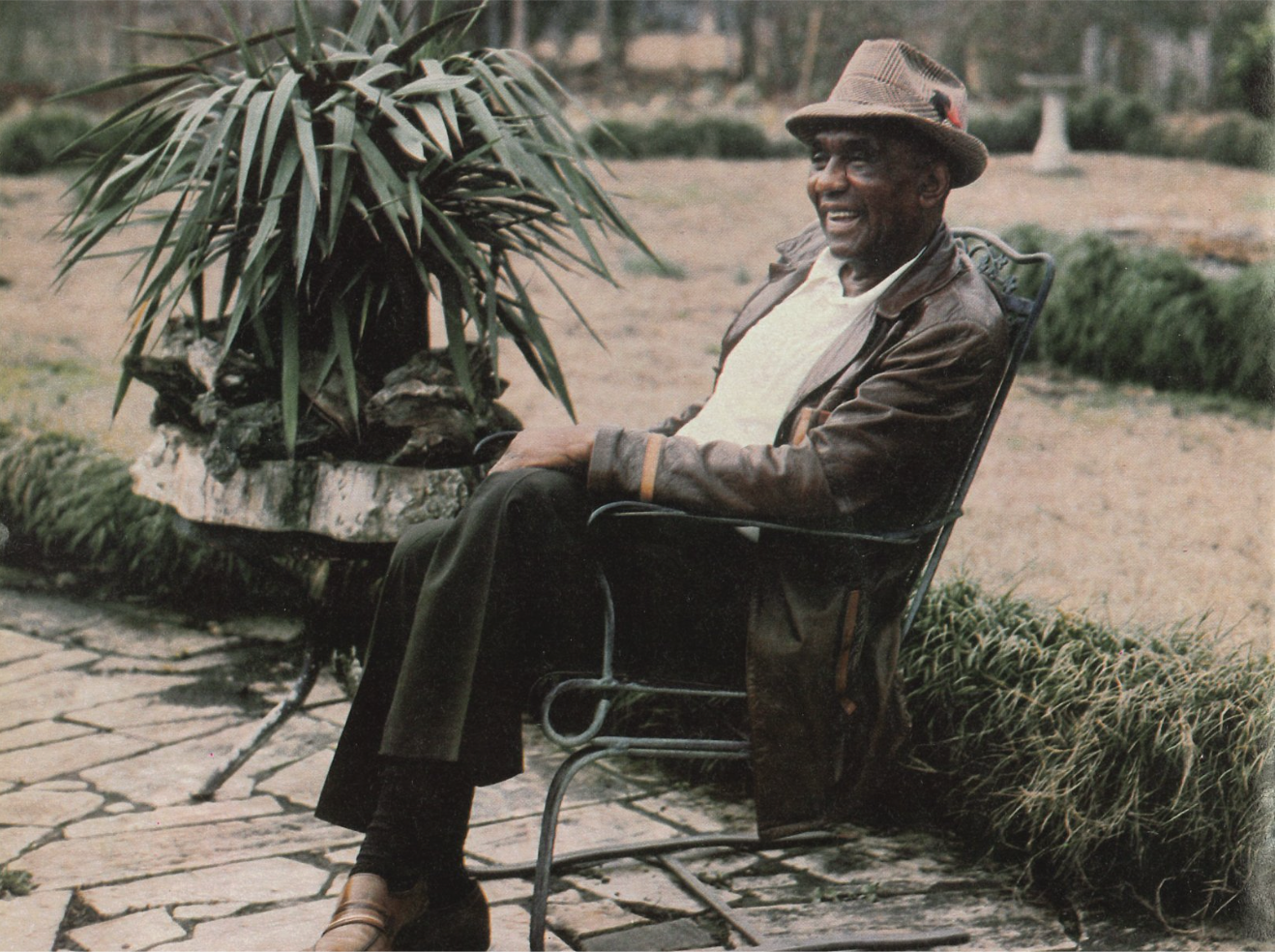
Like with much of American History, the many contributions of African–American innovators in the agricultural field are vastly overlooked. Horticulturist, Professor, and author, Dr. Booker T. Whatley (1915-2005), is known as the father of the modern CSA. In the early 1970s, following in George Washington Carver’s footsteps at the Tuskegee Institute in Alabama, through extensive experimentation, Dr. Whatley developed a highly productive, high-yielding variety of Sweet Potato, aptly named The Carver Potato. His experiments expanded to include research on honeybees and small fruit production. It was during this time at Tuskegee that he began developing and refining his economic plan for small farm success and profitability. Dr. Whatley’s economic plan is outlined in his work, “How to Make $100,000 Farming on 25 Acres”, published in 1987, a detailed map for small-scale black farmers (25-150 acres) with limited resources to increase agricultural and financial sustainability.
He advocated for farm management practices that minimized waste and unnecessary labor and costs while maximizing income through informed crop selection, rotation, and diversification. As explained in “Land and Power”, a compendium of essays from the 2007 Black Environmental Thought Conference, “Although his main consideration was economic sustainability, his ideas were also ecologically sustainable.” Practices like crop rotation and diversification support a healthy soil biome and minimize pest and disease pressure; while other practices he advocated for, such as the use of drip irrigation, minimize water waste and run-off. He advised small farmers to leave the monocultural production of soybeans, corn, and cotton to larger AG enterprises, encouraging them to produce a diverse array of high-value horticulture crops like fruits and vegetables.
In an interview with Mother Earth News in 1982, Dr. Whatley elaborates, “We’ve made life hard on the small farmers by recommending that they grow exactly what the big boys produce. We’ll tell a little guy with 40 acres to plant a scaled-down version of the crop mix that some fellow with 2,000 acres raises. For example, we’ll suggest that he keep fifteen acres in cotton, ten acres in soybeans, seven acres in corn, seven in pasture and then try to raise a few head of beef cattle. Well, those particular crops give a very low per-acre return, so what happens? The man works hard and just about starves to death. I say let the big boys grow soybeans, cotton, hay, peanuts and beef cattle. The plan I’m talking about takes the small farmer out of the big guys’ ballpark.”
In his work, he championed the value of direct marketing to help small farmers connect with their customers and encourage the community to invest in the long-term success and sustainability of the farm through “Clientele Membership Clubs”, a seed sown that blossomed into modern CSAs, which gives farmers access to the capital they need to jumpstart the growing season. Dr. Whatley encouraged small-scale producers to further engage the community by starting U-pick operations. In the same 1982 Mother Earth News interview, Dr. Whatley elaborates on this mutually beneficial marketing strategy, “Running the farm on a pick-your-own basis eliminates the two major complaints of small growers, no labor and no market. It lets the farmer avoid the cost of harvesting, washing, grading, packing, packaging, refrigerating, and transporting the produce. And it brings in buyers.”
Welcoming the community into a farm’s ecosystem through CSAs and U-Pick can also give them more incentives to protect it. A neighbor who invests in our CSA, may think twice before spraying their lawn with pesticides if they know that the local bees are pollinating their tomatoes. They may be less likely to use herbicides if they know the run-off will make its way to our farm’s soil.
CSAs and U-Picks also allow the community to have a closer connection to the farmers growing the food. In the grocery store we don’t get to shake the hands that grow the food that nourishes us. CSAs and U-Picks allow us to bridge this gap creating a reciprocal relationship of shared trust, shared risk, and shared reward.
“How to make $100,000 farming on 25 acres” by Booker T. Whatley || https://archive.org/details/bookertwhatleysh0000what/page/n7/mode/2up
“The Small Farm Plan by Booker T. Whatley” 1982 Interview with Mother Earth News || https://www.motherearthnews.com/homesteading-and-livestock/small-farm-plan-zmaz82mjzkin/?pageid=4
“You Can Thank Black Horticulturist Booker T. Whatley for Your CSA” || https://www.smithsonianmag.com/innovation/you-can-thank-black-horticulturist-booker-t-whatley-your-csa-180977771/
“Booker T. Whatley and the Untold History of CSA” || https://www.bloomingglenfarm.com/booker-t-whatley-and-the-untold-history-of-csa/
A Few Resources for Further Reading
Fable & Sow Farm 2026 CSA
Skip the Middle Man! Buy Local! Buy Direct!
What is a CSA?
CSA stands for Community Supported Agriculture. CSA’s are the lifeblood of many small-scale farms across the country and around the globe. Joining a CSA is one of the most impactful ways community members can support and uplift local producers by directly investing in their future. It is a profound partnership of mutual support, trust, and respect. As a member of Fable & Sow’s CSA, you are more than just a customer, you are a part of our Fable Family, playing a vital role in our farm’s success, resilience, and sustainability by sharing in both the risks and the rewards of our season’s bountiful harvest.
How does our CSA work?
Community Members pre-pay upfront for a bi-weekly CSA share before the growing season begins. This community support gives small farmers access to the critical early capital needed to pay staff, purchase seeds, supplies, and more. Once the growing season kicks off, CSA members will be assigned a pick up window when they can collect their bi-weekly share from one of our specified pick up locations.
When can I purchase a CSA share?
Community members can join our Fable Family by purchasing a CSA beginning March 2026.
Where can I pick up my CSA share?
CSA pick-up locations will be announced in February 2026.
How much does a CSA Membership Cost?
Our 2026 CSA pricing brochure will be released in February 2026.
Do you deliver CSA shares?
Yep! Delivery is available for members within a 5 mile radius for an additional fee.
Fable & Sow CSA Membership Perks:
F&S Friends and Family Discount - CSA members receive 15% off any additional Fable & Sow purchase, from theatre workshops to branded merch!
F&S Monthly Mailing List - CSA members will also gain access to a monthly Fable & Sow mailing list during the growing season; with harvest recipes from Chef Hamp, herbal preparations from Farmer ‘Ber, and tips for storing and extending the shelf life of your harvest delivered straight to their inbox.
Invitation to our Fable & Sow CSA Socials - CSA members also receive access to our exclusive, member-only CSA Summer Socials (June Welcome Social, August Summer’s End Social, October Autumn Social), where you can kick-back, meet, mix, and mingle without other local, like-minded CSA members, herbalists, community advocates, conservationists, horticultural and regenerative agriculture enthusiasts.
Every CSA member will also receive a small pouch of native, endangered flower seeds collected from our farm to support our local pollinators. Plant in your backyard or in the wild!
Member Referral Rewards - CSA members receive a DOUBLE SHARE on the week of their choice for every referral that results in a CSA purchase.
2026 CSA OFFERINGS
What’s the Tea? CSA
You’ll get one fresh herbal tea bouquet in every share! Use your bouquets to make fresh medicinal, fragrant, herbal tea. You can also dry your bouquets at home and preserve them for later use. Once dry, place your herbs in an airtight container and store in a dark cool place for 1-2 years.
Possible Herbal Tea Bouquet Blends
Bruh, I’m Chillin’ Tea - A calming blend of Holy Basil, Lemon Balm, Apple Mint, Chamomile
Bruh, I’m Sleep Tea - Our soothing sleepytime tea blend - Chamomile, Catnip, Lemon Balm
Spring Refresh Tea - A refreshing, uplifting blend of the first herbs to emerge in the spring - Sage, Lemon Balm, Apple Mint
Moon Cycle Tea - Cycle Support for women who menstruate - Yarrow, Raspberry Leaf, Motherwort
Keep it Movin’ Tummy Tea - Minty blend for Healthy Digestion - Spearmint, Peppermint, Dandelion Root
Mista Lemon Lovah Tea -Uplifting Citrus Flavor - Lemon Thyme, Lemongrass, Lemon Balm
In Da Cut Flower CSA
In every share, you get one fresh edible flower bouquet, full of flowers that do more than just sit pretty! Grown with care and harvested at peak beauty, these fresh and fancy blooms aren’t just for vases. Sprinkle petals over salads, add blossoms to cool summer drinks, brew blooms in a medicinal cup of tea, garnish baked goods, or add a pop of color to everyday meals. Many of these flowers used to naturally dye textiles.
Our flowers are dry-farmed or rain-fed, which means they grow with minimal supplemental water, relying almost entirely on rainfall. By allowing them to grow with minimal water, their roots dig deeply into the soil to mine water and nutrients producing richer, more concentrated flavors. The result is brighter colors and bolder flavors!
Possible Edible Flowers
Echinacea, Rudbeckia, Mints, Prairie Coneflower, Sunflowers, Marigold, Anise Hyssop, Butterfly Pea, Chamomile, Bee Balm, Feverfew, Zinnias, Salvia, Cosmos, Dill, Mustard, Calendula, Hollyhock, Snapdragons, Bachelor’s Buttons, Goldenrod, Dandelion, Yarrow, Amaranth, Borage, Viola, Nasturtium
Roots n’ Remedies Herbalist CSA
This CSA option is perfect for herbalists of all levels. Whether you’re a beginner herbalist, community herbalist, registered herbalist, or just want to craft remedies for your loved ones, with the Roots n’ Remedies Herbalist CSA you’ll have a bounty of sustainably grown herbs and flowers for your teas, tinctures, salves, herbal washes, herbal vinegars, and more!
In every share, you’ll receive one fresh herbal tea bouquet, one medicinal herb bundle, one culinary herb bundle, and one edible flower bouquet. CSA members will also receive a digital copy of Fable & Sow’s Materia medica, a detailed guide where you will learn each plants' herb-story, their medicinal uses, active constituents, preparations, and herbal recipes. Use fresh herbs for DIY tinctures, glycerites, infused honey, herbal washes, vinegar's, decoctions, and infusions. Strip the bottom leaves and place stems in water to propagate plants to grow at home. Use dry herbs for herbal oils, lotions, and salves.
Possible Medicinal Herbs
Yarrow (Aerial Parts), Echinacea (Roots), Tulsi (Aerial Parts), Sage (Aerial Parts), Anise Hyssop (Aerial Parts), Plantain (Aerial Parts, Roots), Peppermint (Aerial Parts), Chamomile (Aerial Parts), Lemon Balm (Aerial Parts), Ashwagandha (Root), Blue Skullcap (Aerial Parts), Boneset (Aerial Parts), Common Mallow (Aerial Parts, Roots), Dandelion (Aerial Parts, Roots), Mullein (Aerial Parts, Roots), Garlic Mustard (Aerial Parts), Goldenrod (Aerial Parts), Jewelweed (Aerial Parts), Motherwort (Flowering Tops), Mugwort (Aerial Parts), Self- Heal (Aerial Parts in Flower), Willow Bark (Bark, Catkins, Leaves), Witch Hazel (Bark, Flowers,Twigs), Raspberry (Leaf), Blackberry (Leaf), Cleavers (Aerial Parts)
Possible Culinary Herbs
Mixed Basil, Parsley, Chives, Dill, Rosemary, Oregano, Thyme
Whole Shebang! CSA
Throw some greens on it! With the Whole Shebang CSA, you get it all! You’ll receive one fresh herbal tea bouquet, one medicinal herb bundle, one culinary herb bundle, one edible flower bouquet, and 5-7 seasonal vegetable and/or fruit units included in every share! Grown with love and harvested at peak freshness, every share is a little love letter from our farm to your kitchen.
Possible Produce
Mixed Lettuce, Spinach, Arugula, Mustard Greens, Radish, Okra, Collards, Cayenne Pepper, Multi-Color Sugar Snap Peas, Cherry Tomatoes, Multi- Color Pole Beans, Garlic, Kale, Blackberry, Common Pear, Asian Pear

“Whenever the soil is rich the people flourish, physically and economically.”
George Washinton Carver