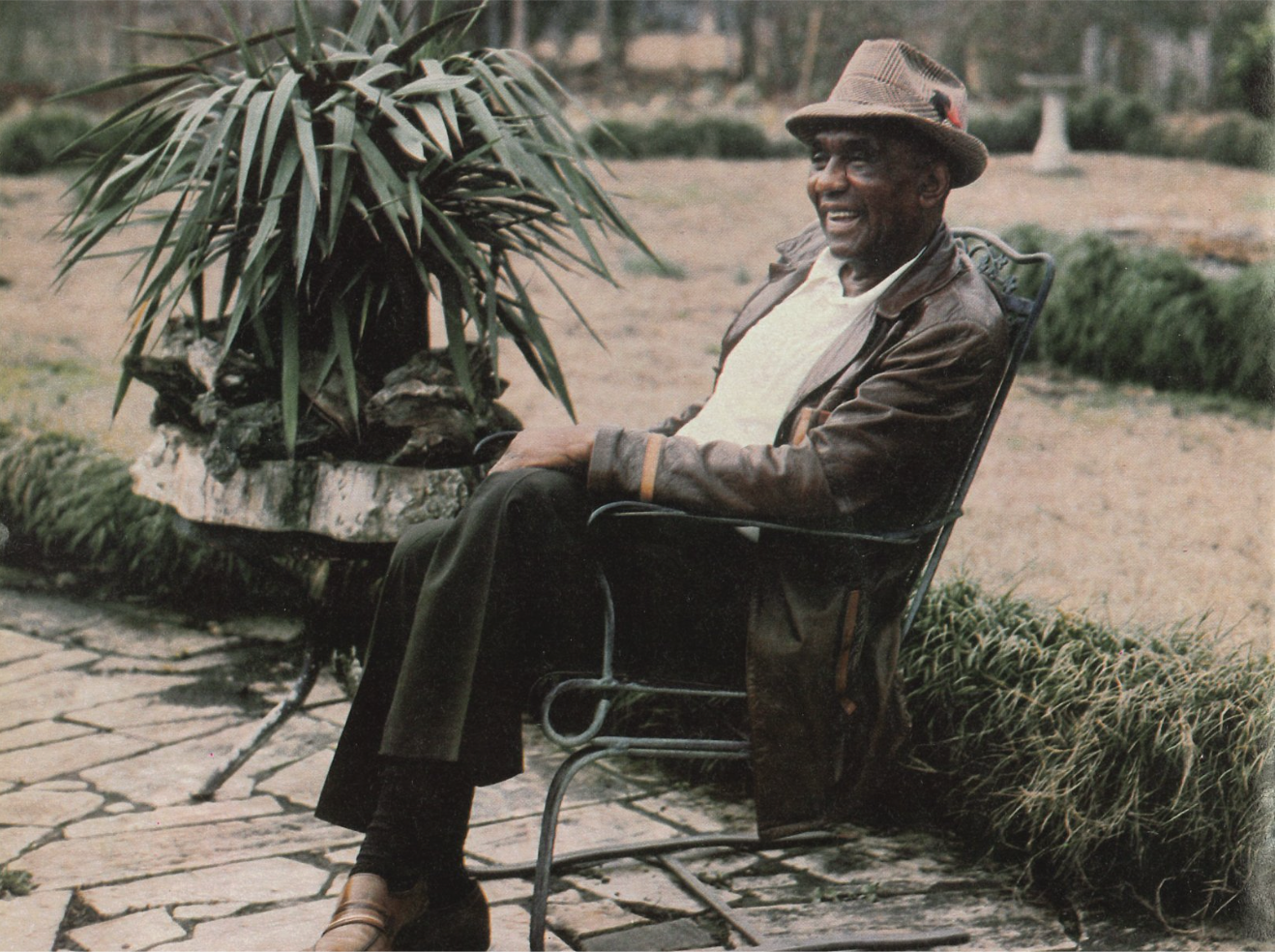
Dr. Booker T. Whatley
“The Small Farm Guru” and the Overlooked History of Community Supported Agriculture in the US
As with much of American History, the many contributions of African–American innovators in agriculture are vastly overlooked. Horticulturist, Professor, and author Dr. Booker T. Whatley (1915-2005) is known as the father of the modern CSA. In the early 1970s, following in the footsteps of George Washington Carver at the Tuskegee Institute in Alabama, Dr. Whatley, through extensive experimentation, developed a highly productive, high-yielding variety of Sweet Potato, aptly named The Carver Potato. His experiments expanded to include research on honeybees and small fruit production. It was during this time at Tuskegee that he began developing and refining his economic plan for small farm success and profitability. Dr. Whatley’s economic plan is outlined in his work, “How to Make $100,000 Farming on 25 Acres”, published in 1987, a detailed map for small-scale black farmers (25-150 acres) with limited resources to increase agricultural and financial sustainability.
He advocated for farm management practices that minimized waste and unnecessary labor and costs while maximizing income through informed crop selection, rotation, and diversification. As explained in “Land and Power”, a compendium of essays from the 2007 Black Environmental Thought Conference, “Although his main consideration was economic sustainability, his ideas were also ecologically sustainable.” Practices like crop rotation and diversification support a healthy soil biome and minimize pest and disease pressure, while other practices he advocated for, such as the use of drip irrigation, minimize water waste and run-off. He advised small farmers to leave the monocultural production of soybeans, corn, and cotton to larger AG enterprises, encouraging them to produce a diverse array of high-value horticultural crops such as fruits and vegetables.
In an interview with Mother Earth News in 1982, Dr. Whatley elaborates, “We’ve made life hard on the small farmers by recommending that they grow exactly what the big boys produce. We’ll tell a little guy with 40 acres to plant a scaled-down version of the crop mix that some fellow with 2,000 acres raises. For example, we’ll suggest that he keep fifteen acres in cotton, ten acres in soybeans, seven acres in corn, seven in pasture, and then try to raise a few head of beef cattle. Well, those particular crops give a very low per-acre return, so what happens? The man works hard and just about starves to death. I say let the big boys grow soybeans, cotton, hay, peanuts, and beef cattle. The plan I’m talking about takes the small farmer out of the big guys’ ballpark.”
In his work, he championed the value of direct marketing to help small farmers connect with their customers and encourage the community to invest in the long-term success and sustainability of the farm through “Clientele Membership Clubs”, a seed sown that blossomed into modern CSAs, which gives farmers access to the capital they need to jumpstart the growing season. Dr. Whatley encouraged small-scale producers to further engage the community by starting U-pick operations. In the same 1982 Mother Earth News interview, Dr. Whatley elaborates on this mutually beneficial marketing strategy, “Running the farm on a pick-your-own basis eliminates the two major complaints of small growers, no labor and no market. It lets the farmer avoid the cost of harvesting, washing, grading, packing, packaging, refrigerating, and transporting the produce. And it brings in buyers.”
Welcoming the community into a farm’s ecosystem through CSAs and U-Pick can also give them more incentives to protect it. A neighbor who invests in our CSA may think twice before spraying their lawn with pesticides if they know that the local bees are pollinating their tomatoes. They may be less likely to use herbicides if they know the runoff will reach our farm’s soil.
CSAs and U-Picks also allow the community to have a closer connection to the farmers growing the food. In the grocery store, we don’t get to shake the hands that grow the food that nourishes us. CSAs and U-Picks allow us to bridge this gap, creating a reciprocal relationship of shared trust, shared risk, and shared reward.